Kill the Grid | Web Design Deserves Better
In a world jammed with landing pages, cookie-cutter templates, and “seamless user experiences,” there’s a quieter, weirder revolution happening. It doesn’t follow the rules, and that’s exactly the point. Call it the other web, or “anti-design.” or just… something that actually feels like it was made by a human.
the problem with predictable
Thanks to years of design standardization, we’ve created a web that works. And that’s the problem.
It’s efficient, yes. Familiar, 100%. But somewhere along the way, it stopped being interesting.We started designing for the system instead of for the story. We have design systems that spit out layouts faster than you can refresh Figma. We use them because they’re scalable and safe. But when every site uses the same grid, the same card layout, the same navbar stuck to the top—you stop seeing the site. You just scan. Swipe. Bounce. And then you forget.The modern web is a sandwich: stack some blocks, toss in some copy, wrap it in a grid, and ship it. It’s not bad. But it’s not good either. It’s just… fine. Like a microwaved dinner that gets the job done but leaves you hungry for something real.Predictability is comfortable, but comfort isn’t always a sign of quality. Sometimes it just means you’re not paying attention anymore.
the other web lives in the gaps
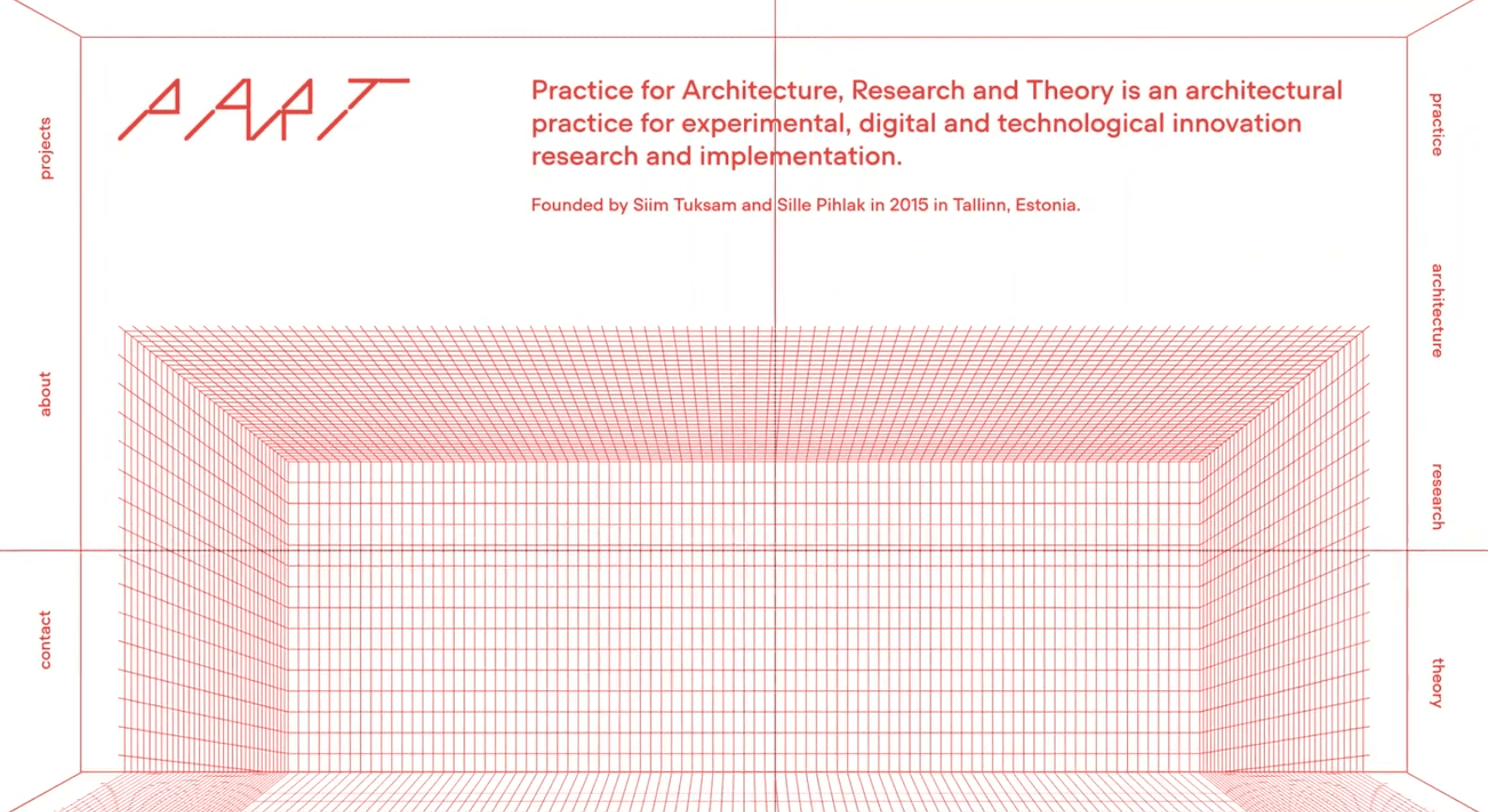
here’s where it gets interesting. The "other web" isn’t trying to be universal. It doesn’t aim to please everyone. It lives in the gaps between convention.It borrows from books, zines, album covers, brutalist posters, forgotten Geocities pages, and old-school print layouts. It lets form and content hold hands instead of being shoved into separate silos.These are the projects that make you pause. Not because they’re flashy, but because they feel thoughtful. Handmade. Like someone sweated over every detail, and loved every pixel. You feel the fingerprints.In the other web, the visuals aren’t just decorative. They're part of the voice. They are the brand. And when it works, the experience becomes way more than the sum of its pixels. It becomes a mood, a memory, a moment - a defining experience.It says: this space was crafted, not produced.i'm reminded of one of the most captivating digital experiences i've ever come across - kanerobinson.com
not ux-first. not ux-last. just ux-different.
Yes, sometimes the navigation on these sites is strange. yes, sometimes you have to think. But maybe thinking is good.
Maybe what we remember isn’t what was easy, but what was different.
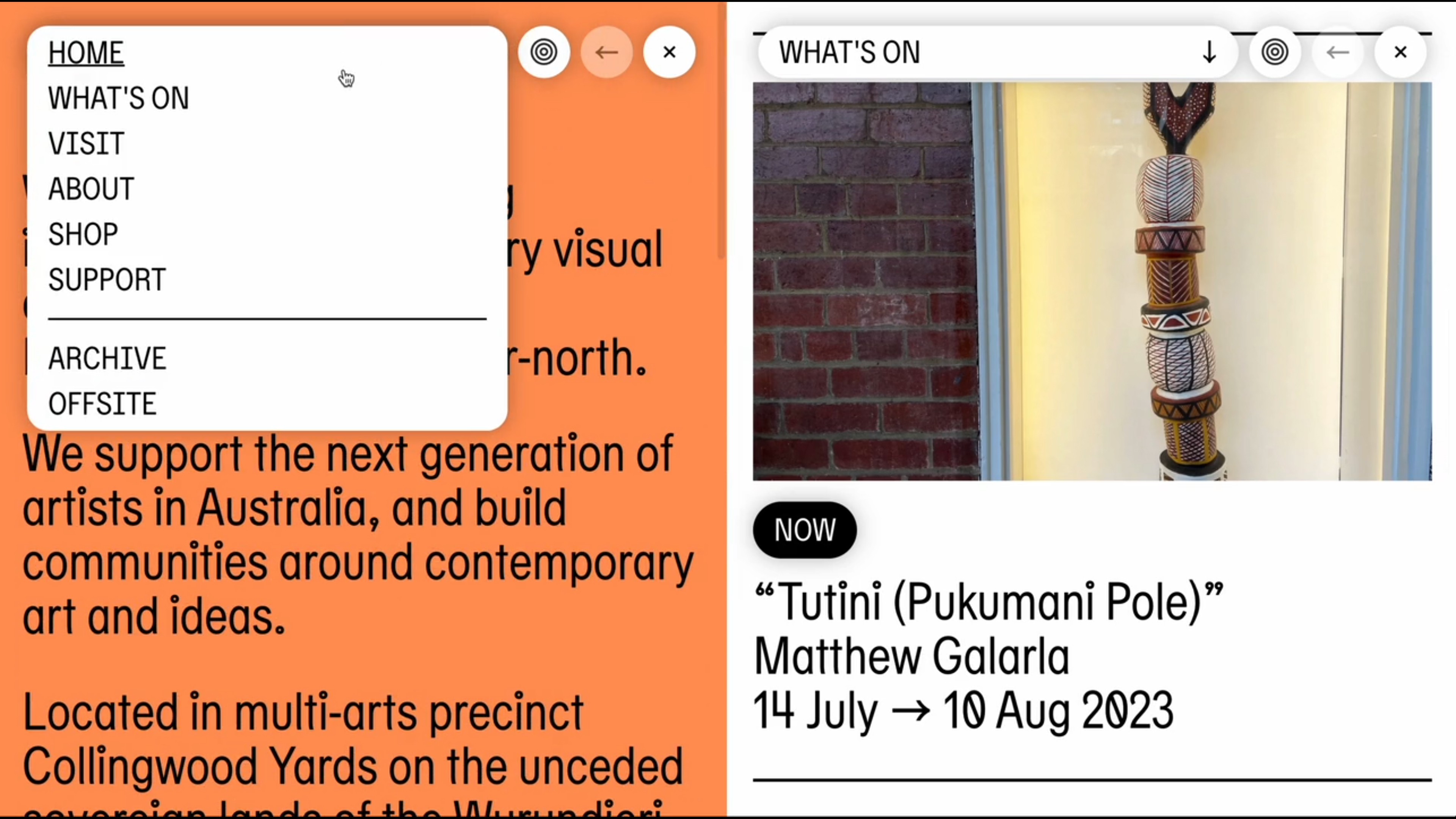
That’s not to say usability gets thrown out the window. It just gets redefined. Navigation becomes part of the narrative. Interaction becomes part of the identity. The click feels like the brand. It makes sense in the world of the page. And honestly? If the user has to spend half a second figuring it out, but ends up with a stronger impression because of it — worth it. People don’t fall in love with frictionless experiences.They fall in love with meaningful ones.
The other web reminds us that UX doesn’t have to mean beige minimalism. It can mean boldness. Quirk. Delight. Depth.
typography leads the way
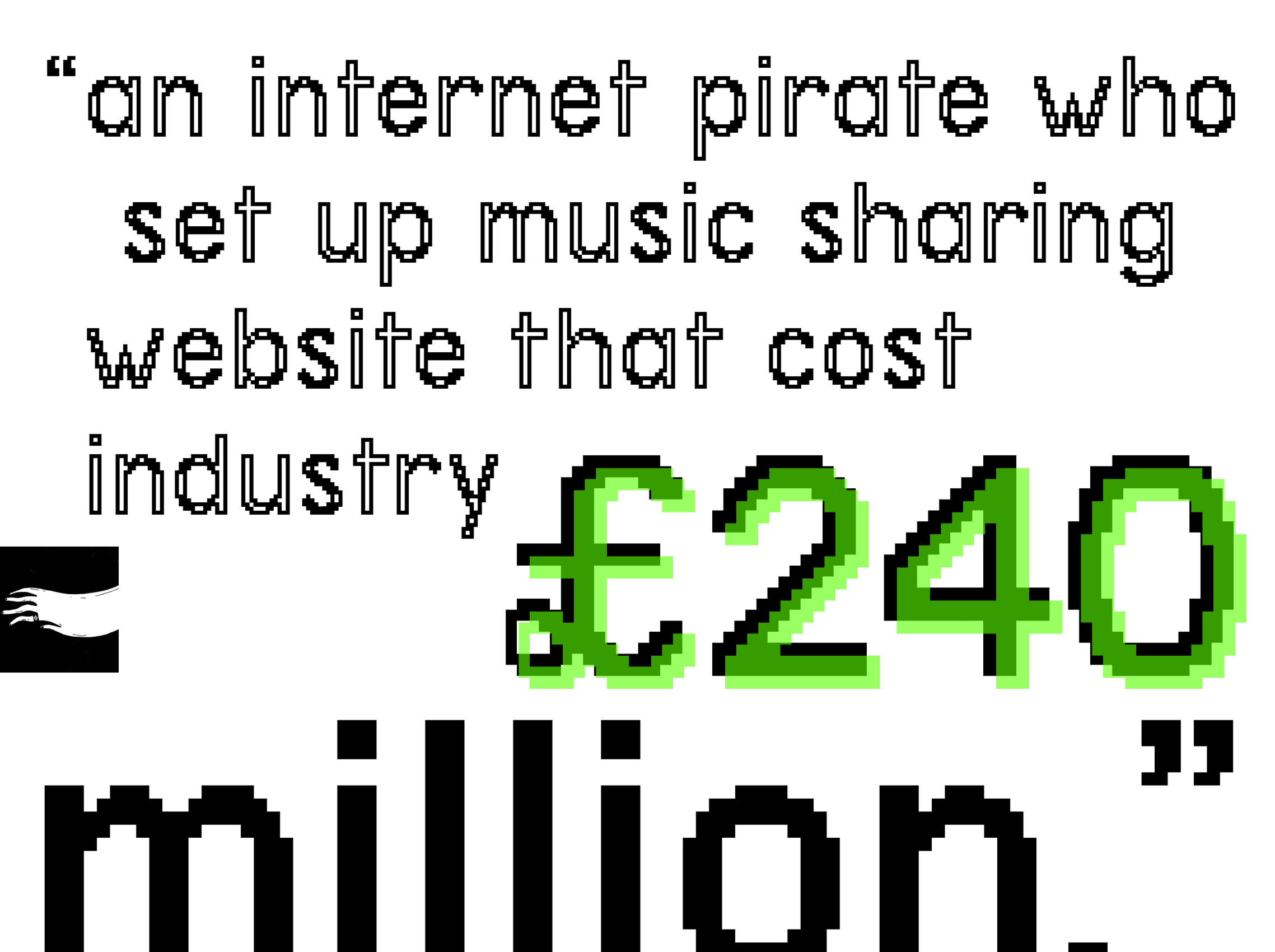
In the other web, type doesn’t just deliver content — it is the content.whether it's whisper-thin elegance or chaotic, rule-breaking boldness, the way text is handled says as much as the words themselves. These projects treat typography like sculpture. It shapes the mood. It creates rhythm. It holds space. Sometimes the best “design element” is just a beautifully set paragraph.
And while the standard web uses typography like it's scared of it, the other web leans in. Hard. It bends, stretches, misbehaves. It plays. Because good type doesn’t just support design—it is design. Letterforms become personality. Line height becomes breathing room. A well-set text block can hit harder than a hero video.
this isn't a manifesto.
These projects often live in creative or cultural spaces. But that doesn’t make them impractical, it makes them aspirational.
The existence of the other web proves something vital; we can do more with this medium. We’re just not doing it often enough. It’s not about making everything weird or experimental. It’s about making choices on purpose. Taking the time to craft something that can’t be mistaken for anything else. Something rooted in vision. Something with guts.
Because when everything looks the same, different becomes powerful. It becomes magnetic. And in a digital world drowning in sameness, standing out isn’t just nice. It’s survival.
GET IN TOUCH
I'm always looking to work with passionate organisations & individuals.